A Week in Yorkshire
Based in Harrogate
Seven days. One base. York, Fountains Abbey, the Yorkshire Dales, Whitby, the North York Moors, Castle Howard — and two days in Harrogate itself. All distances and drive times from Lamont House.
Minimum 2 nights · Free parking · Full breakfast daily
Why one base works better
Moving hotels every two days is tiring. You spend half your holiday packing and unpacking, and you never quite settle. Harrogate is positioned almost exactly at the centre of Yorkshire's greatest attractions — everything in this itinerary is within 90 minutes by car. Base yourself at Lamont House for the week, unpack once, and drive out each day. Return each evening to a town that is genuinely worth being in.
Arrive in Harrogate. Settle in.
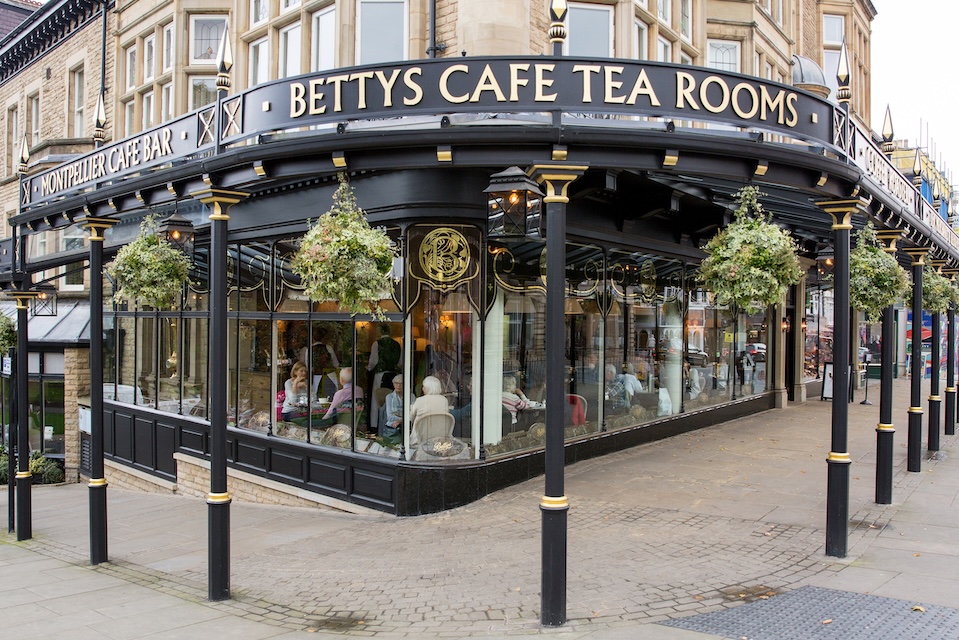
Arrive at Lamont House, check in, and leave your bags. The house is on St. Mary's Walk in Low Harrogate — a quiet residential street five minutes from everything worth seeing in the town.
Walk to Betty's on Parliament Street. If there is a queue (there usually is on weekends), join it — it moves faster than it looks, and the wait is part of the experience. Order the Fat Rascal. Order the Yorkshire tea. Sit by the window if you can.
After Betty's, walk through the Valley Gardens — twenty-seven acres of formal parkland that runs behind the town. In summer it is extraordinary. In any season it is worth the walk.
For dinner, Harrogate has a genuinely good restaurant scene. Baltzersen's on Oxford Street does excellent Scandinavian-influenced food. The Stray Diner on Cheltenham Crescent is good for something more casual. For a proper evening out, Orchid on Swan Road is one of the best restaurants in the north of England.
Practical note: The Turkish Baths on Parliament Street are open most evenings. If you are arriving tired from a long journey, an hour in the steam rooms is an excellent way to decompress. Book in advance.
York
Take the train from Harrogate to York — 40 minutes, frequent service. York is one of England's finest cities and deserves a full day.
Start at York Minster — the largest Gothic cathedral in northern Europe. Climb the tower if you are able; the view over the city is exceptional. Allow at least an hour inside.
Walk the medieval city walls — the most complete circuit of Roman and medieval walls in England, about 3 miles in total. You can join them at several points; the stretch from Bootham Bar to Monk Bar is the most dramatic.
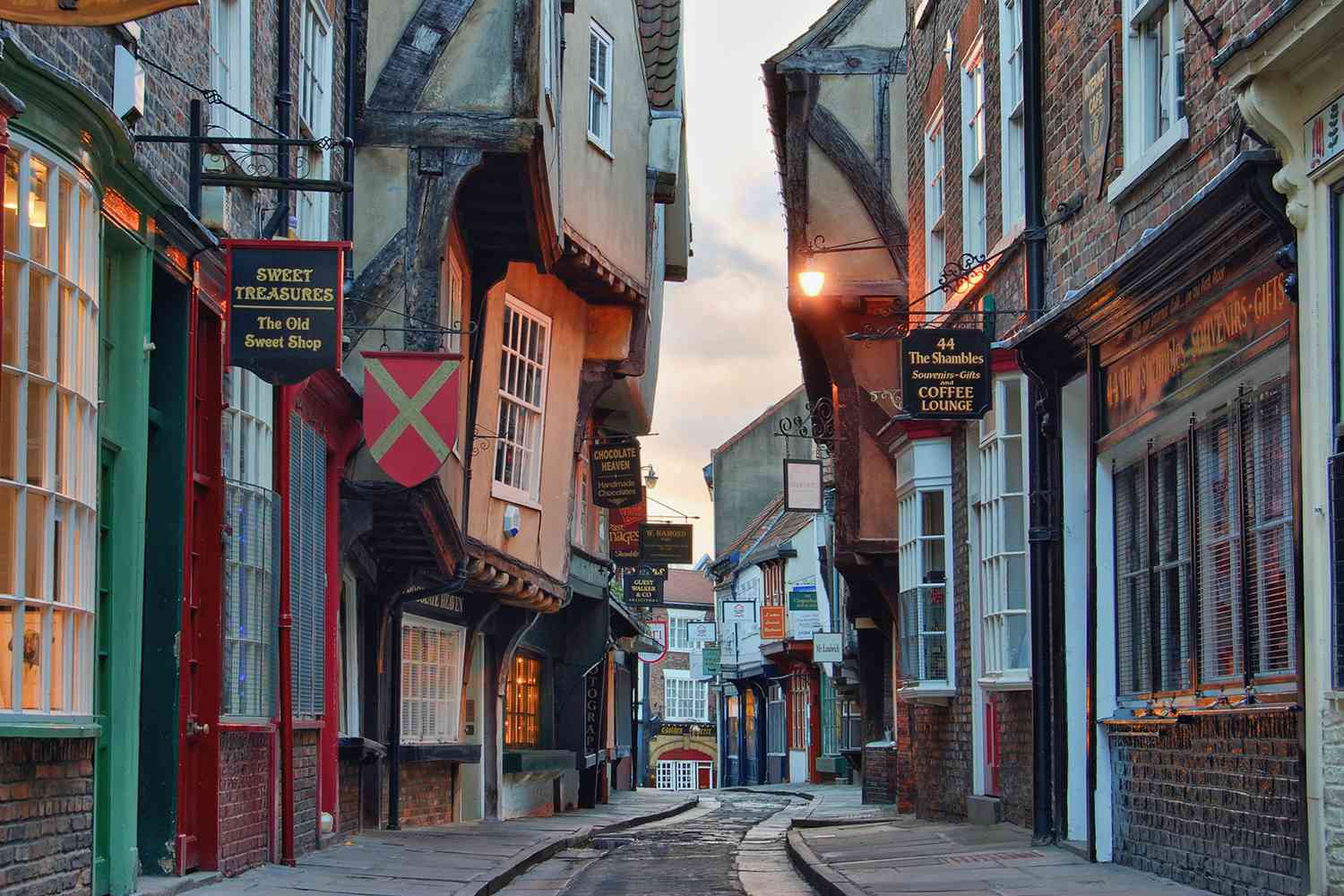
The Shambles is the most photographed street in York — a medieval lane of overhanging timber-framed buildings. It is genuinely beautiful, though busy. Visit before 10am or after 4pm to see it without crowds.
The Jorvik Viking Centre is excellent if you have children or an interest in Viking history. The National Railway Museum is free and genuinely world-class — even if you have no particular interest in trains, the collection is extraordinary.
For lunch, the Shambles Market has good street food. For dinner, Skosh on Micklegate is one of the best restaurants in York.
Practical note: A day return train ticket from Harrogate to York costs around £10–12. Parking in York is expensive (£20–30 per day in central car parks) — the train is the better option.
Fountains Abbey & Ripon
Drive to Fountains Abbey — 30 minutes from Harrogate, following the A61 north and the brown National Trust signs. Book timed entry tickets in advance in summer.
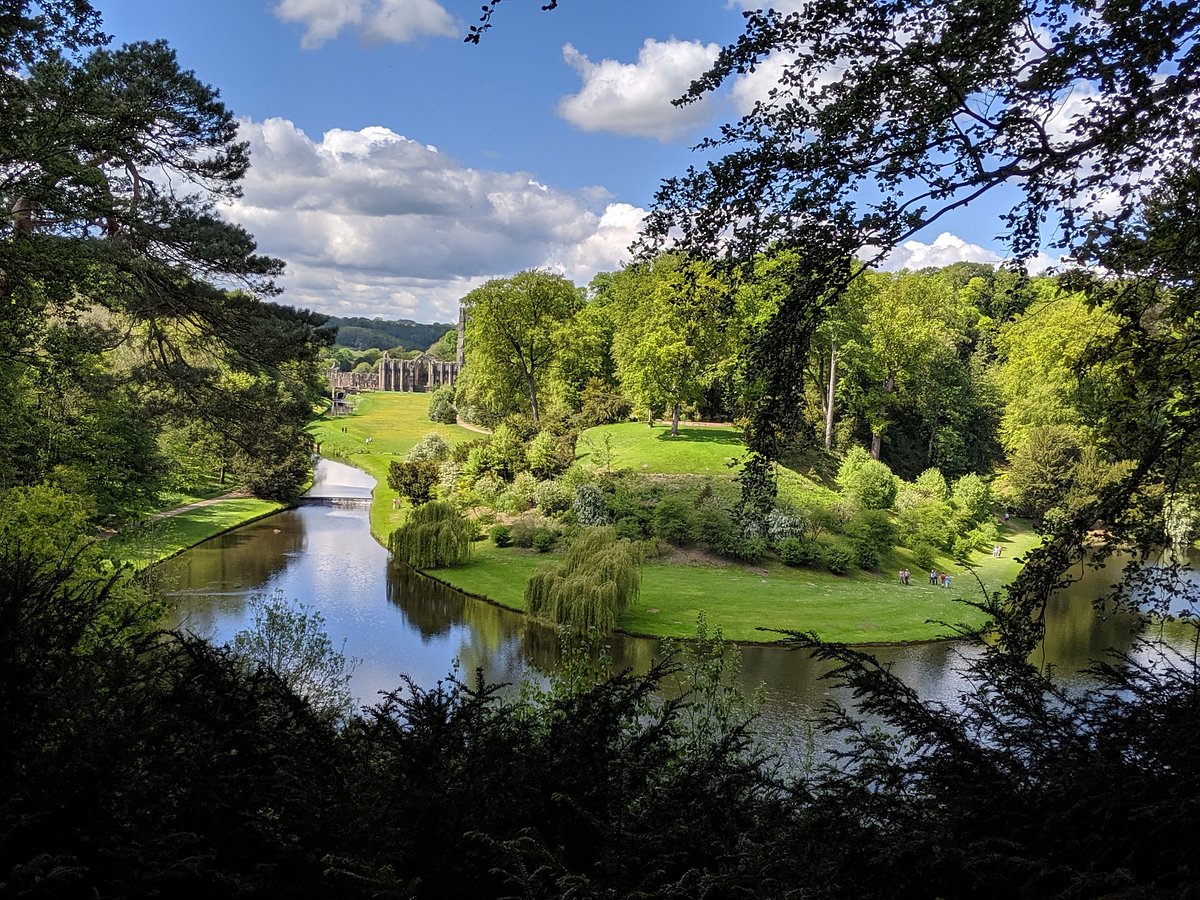
Fountains Abbey and Studley Royal Water Garden is a UNESCO World Heritage Site — the ruins of a twelfth-century Cistercian abbey set within one of England's finest formal water gardens. Allow at least three hours; a full day if the weather is good.
The abbey ruins are among the most complete in England. The water garden, designed in the 1720s, is a masterpiece of Georgian landscape design. The combination of the two — medieval ruins reflected in formal Georgian pools — is genuinely extraordinary.
After Fountains, drive the 5 miles into Ripon. The cathedral is small but beautiful, and the market square is one of the finest in Yorkshire. The Hornblower ceremony at 9pm — performed every evening since 886 AD — is worth staying for if you are in town.
Return to Harrogate for dinner. The drive back takes 30 minutes.
Practical note: The National Trust car park at Fountains Abbey is free for members. Non-members pay approximately £5–8. The abbey itself requires a separate entry ticket — book online in advance to guarantee entry.
Yorkshire Dales — Wharfedale & Grassington

Drive to Grassington — 40 minutes from Harrogate via the A59 west and the B6265 north through Cracoe. Grassington is the village used as 'Darrowby' in the Channel 5 series All Creatures Great and Small.
Park in the National Park car park on the edge of the village (approximately £3–5 for a full day). Walk the cobbled market square and the surrounding streets — the village is small enough to cover in an hour, but the surrounding landscape rewards a longer walk.
After Grassington, drive up Wharfedale to Kettlewell and Buckden. The valley narrows and becomes increasingly dramatic as you go north. Stop at Kettlewell for lunch — the Racehorses Hotel does good pub food.
On the return journey, take the B6160 south through Burnsall — one of the most beautiful villages in the Dales, with a medieval bridge over the Wharfe and a pub that has been serving travellers since the sixteenth century.
Return to Harrogate via the B6265. The drive back takes about 45 minutes.
Practical note: If you are an All Creatures fan, the World of James Herriot museum in Thirsk is 30 minutes from Harrogate in the opposite direction — worth combining with a morning in Harrogate rather than the Dales day.
Whitby & the North Yorkshire Coast
Drive to Whitby — 95 minutes from Harrogate via the A59 east and the A171 north. Go on a weekday if possible; the harbour car parks fill early on summer weekends.
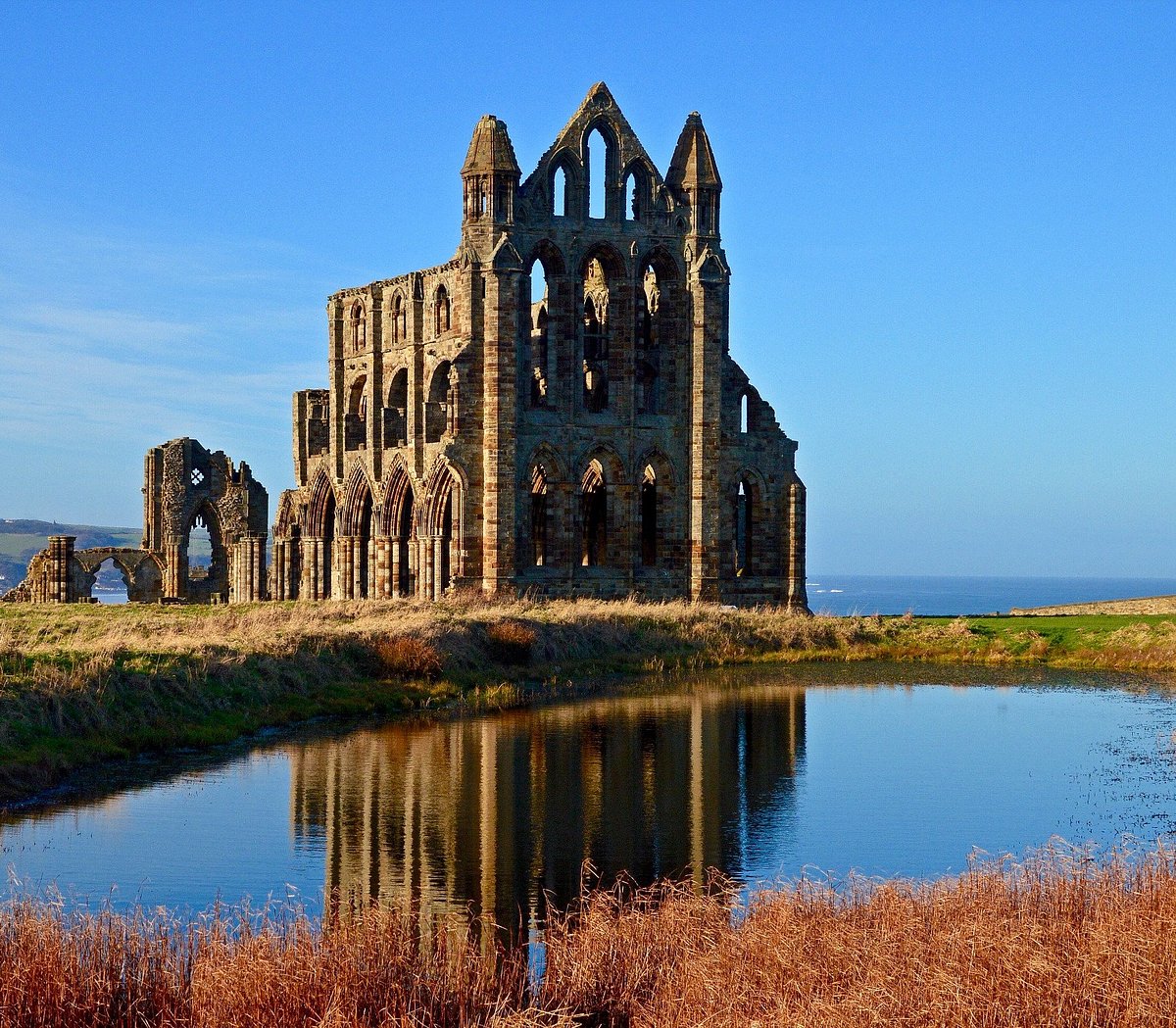
Park at the Whitby Abbey car park on the East Cliff (approximately £5–8 for a full day) and start with the abbey. The ruins of the seventh-century monastery are among the most dramatic in England — perched on the clifftop above the town, visible for miles.
Walk down the 199 steps to the town. The harbour is working and genuine — fishing boats, fish merchants, the smell of the sea. The fish and chips at Magpie Café on Pier Road are among the best in England. Expect a queue; it is worth it.
Walk along the Khyber Pass to the West Cliff for the view back over the harbour and the abbey. The Whalebone Arch at the top of the cliff is a Whitby landmark.
On the return journey, consider stopping at Robin Hood's Bay — 6 miles south of Whitby, a village of steep cobbled streets tumbling down to a rocky cove. Allow 30 minutes.
Practical note: Whitby is extremely popular in summer. If you are visiting in July or August, leave Harrogate by 9am to arrive before the car parks fill. The drive back along the A171 in the late afternoon, with the moors on either side, is one of the finest drives in Yorkshire.
North York Moors & Castle Howard
Drive to Castle Howard — 40 minutes from Harrogate via the A59 east and the A64 towards York, turning north at the Castle Howard signs near Malton.
Castle Howard is one of England's greatest baroque country houses, set in 1,000 acres of parkland. The Downton Abbey Experience runs seasonally inside the house. The grounds — formal gardens, a lake, and a mausoleum — are worth the visit regardless of the house.
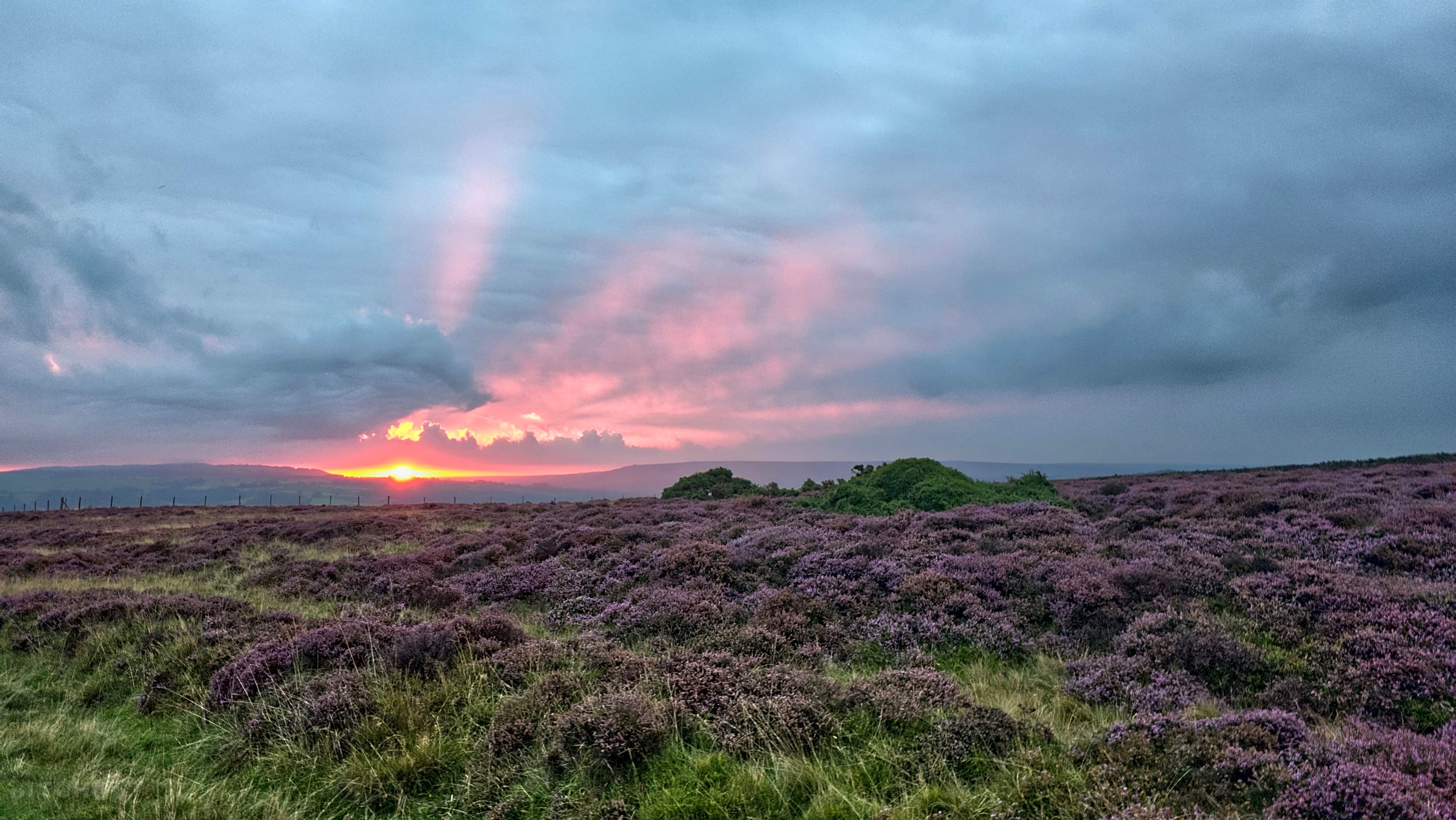
After Castle Howard, drive north onto the North York Moors. In August, the heather is in full bloom — a carpet of purple across the high moorland that is one of the most striking landscapes in England.
Drive the Rosedale circuit — a loop through the moorland villages of Rosedale Abbey, Hutton-le-Hole, and Kirkbymoorside. Allow two to three hours for the circuit. The Lion Inn at Blakey Ridge, at 1,325 feet, is one of the highest and most remote pubs in England.
Return to Harrogate via the A170 and A61. The drive takes about an hour.
Practical note: The North Yorkshire Moors Railway runs from Pickering to Whitby — if you want to experience the moors without driving, this is the best way. Pickering is 35 minutes from Harrogate by car.
Harrogate. A proper last day.
Save the last day for Harrogate itself. Six days of driving deserves a day of walking.
Start with a proper breakfast at Lamont House — the full Yorkshire, eaten slowly. Then walk to the Turkish Baths on Parliament Street. The original 1897 Moorish interior is intact and extraordinary. Book the full treatment: steam room, plunge pool, and massage. Allow two to three hours.
After the baths, walk through the town centre. The antique shops on Montpellier Road are excellent. The independent bookshop on Cold Bath Road is worth an hour. The Royal Pump Room Museum, which tells the story of Harrogate as a spa town, is small but good.
For a final lunch, return to Betty's. This time, order the full afternoon tea if you can — it is the proper send-off.
The afternoon is for the Valley Gardens and a slow walk back through Low Harrogate. The town is at its best in the late afternoon light.
Practical note: If you are leaving by train, the walk to Harrogate station from Lamont House takes 10 minutes. If you are driving south, the A1(M) is the most direct route back to London.
Turn one week into a comfortable stay
This itinerary works because you can return to one Harrogate B&B each evening rather than move accommodation between York, the Dales and the coast. Lamont House is a practical base for the route, with breakfast before a day out and free on-street parking for guests travelling by car.
Plan Your Week in Yorkshire
Send us an enquiry with your preferred dates. We are happy to help you adapt this itinerary to your interests — more time in the Dales, a focus on heritage sites, or a gentler pace with more time in Harrogate itself.